

2025-12-31
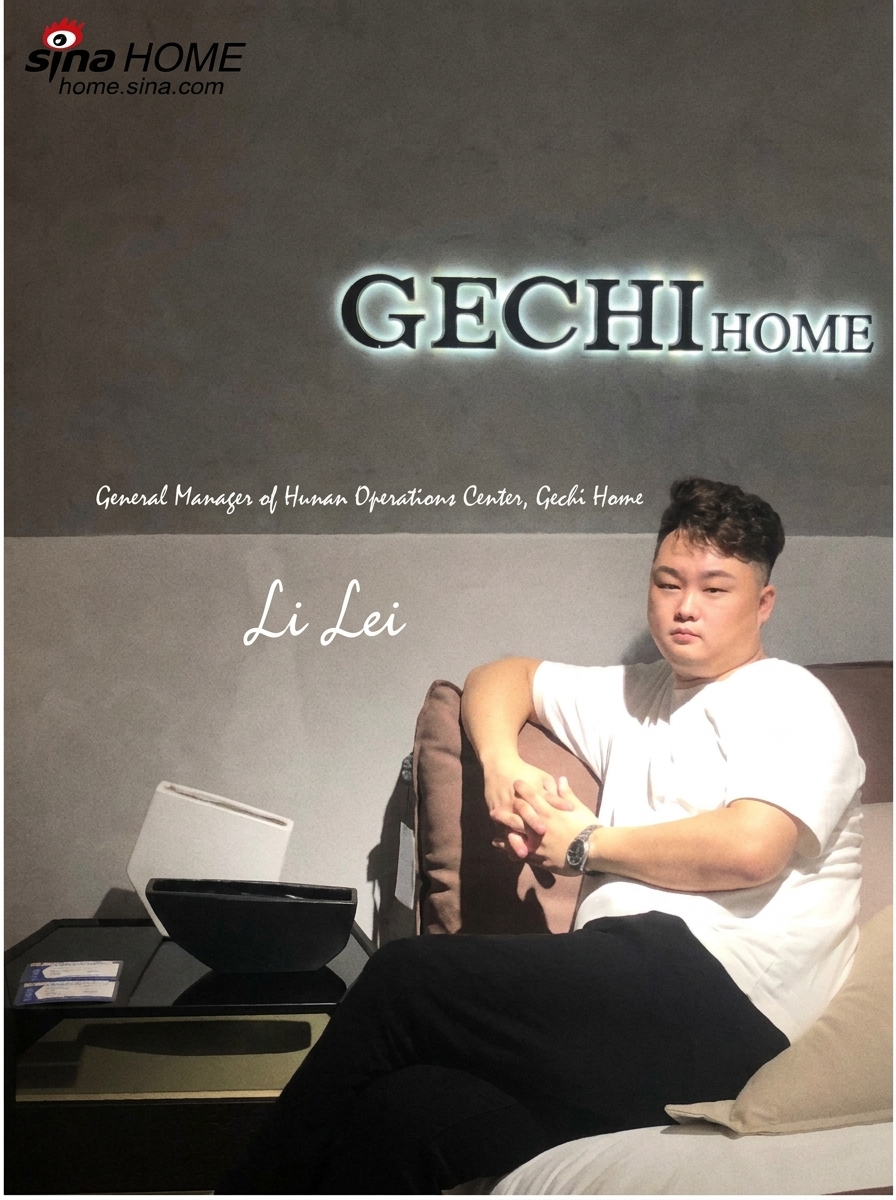
Sina Exclusive Interview with Li Lei, General Manager of GECHI Home Furnishings' Hunan Operations Center
In 2020, driven by a keen business instinct, Li Lei made a bold decision: he left more than a decade working in Foshan’s furniture industry and relocated to Changsha, beginning his journey with GECHI in Hunan.
When asked what drew him to partner with GECHI, he admitted the products spoke first — his own home is furnished with GECHI sofas. The brand’s contemporary, fashionable aesthetic and strong R&D and production capabilities convinced him of GECHI’s quality and overall brand strength.
The move from Foshan to Changsha was more than a change of location for Li Lei — it was both a challenge and a new opportunity. The following is an edited record of our interview:
Q: How would you describe the GECHI brand?
Li Lei: GECHI — or GECHI ITALIAHOME — is a design-driven home brand rooted in Italian minimalist art. Our modern design inspiration comes from Italy’s celebrated decorative design tradition. From product design to spatial presentation, we follow Italian elements: clean, elegant lines and a pure, distinct style that emphasizes minimal spaces shaped by line, color, and detail.
Li Lei: GECHI — or GECHI ITALIAHOME — is a design-driven home brand rooted in Italian minimalist art. Our modern design inspiration comes from Italy’s celebrated decorative design tradition. From product design to spatial presentation, we follow Italian elements: clean, elegant lines and a pure, distinct style that emphasizes minimal spaces shaped by line, color, and detail.
Gechi focuses on design, R&D, manufacturing, and brand building, offering whole-home solutions. Centered on Italian minimalist style, we specialize in high-end sofas and movable furniture as well as bespoke projects for luxury residences, villas, clubs, and premium retail spaces. Our mission is to provide modern lifestyle services and Italian-style space solutions for a global high-end clientele.
Q: Many brands aim to reach younger consumers. How does GECHI connect with new-generation buyers?
Li Lei: GECHI is intentionally positioned for younger consumers seeking lifestyle experiences. We collaborate with Italian design houses and art studios, so our brand identity, spatial visuals, products, and soft furnishings are design-led. We view our offering as one-third design presentation, one-third taste expression, and one-third value. With years of Italian technical heritage, we’ve cultivated many young, talented designers. GECHI frequently engages with Italy’s fashion and design scene, keeping our products and mainstream styles ahead of many competitors. In product development, manufacturing, and craftsmanship, we pursue an ideal mix of artistic taste and practical comfort — transforming minimalism into its ultimate expression. Our diverse design elements balance art and comfort, turning living spaces into artistic environments that appeal to the urban new generation.
Li Lei: GECHI is intentionally positioned for younger consumers seeking lifestyle experiences. We collaborate with Italian design houses and art studios, so our brand identity, spatial visuals, products, and soft furnishings are design-led. We view our offering as one-third design presentation, one-third taste expression, and one-third value. With years of Italian technical heritage, we’ve cultivated many young, talented designers. GECHI frequently engages with Italy’s fashion and design scene, keeping our products and mainstream styles ahead of many competitors. In product development, manufacturing, and craftsmanship, we pursue an ideal mix of artistic taste and practical comfort — transforming minimalism into its ultimate expression. Our diverse design elements balance art and comfort, turning living spaces into artistic environments that appeal to the urban new generation.
Q: What are the standout materials and craftsmanship features at GECHI?
Li Lei: To ensure value and consistency, GECHI sources high-quality, stable suppliers worldwide. We prioritize eco-friendly materials and leverage large-scale procurement to control costs. Our technical team, trained under Italian standards, operates modern production lines. For structural frames we use Russian 4×5 larch, known for straight grain, stability, toughness, high density and load-bearing capacity; after anti-corrosion treatment it resists mold, termites and moisture changes, extending service life to 40–50 years. Cushions use high-resilience foams (seat foam densities typically 28–45) — similar to premium automotive seating — often layered with different densities to tune seat comfort and durability. For plush comfort, we use white goose down, prized for long, lofty clusters, superior resilience and breathability; quality down can last 20–30 years. Leather coverings use Italian full-grain hides with tight fiber structure and large hides free of defects. Even small details — like alloy legs made from titanium-based alloys — prioritize strength, corrosion resistance, load capacity and aesthetics.
Li Lei: To ensure value and consistency, GECHI sources high-quality, stable suppliers worldwide. We prioritize eco-friendly materials and leverage large-scale procurement to control costs. Our technical team, trained under Italian standards, operates modern production lines. For structural frames we use Russian 4×5 larch, known for straight grain, stability, toughness, high density and load-bearing capacity; after anti-corrosion treatment it resists mold, termites and moisture changes, extending service life to 40–50 years. Cushions use high-resilience foams (seat foam densities typically 28–45) — similar to premium automotive seating — often layered with different densities to tune seat comfort and durability. For plush comfort, we use white goose down, prized for long, lofty clusters, superior resilience and breathability; quality down can last 20–30 years. Leather coverings use Italian full-grain hides with tight fiber structure and large hides free of defects. Even small details — like alloy legs made from titanium-based alloys — prioritize strength, corrosion resistance, load capacity and aesthetics.
On finishing, we use Nappa leather techniques — originally used in automotive and luxury goods — which demand top-grade hides and preserve natural grain and breathability. Full-aniline Nappa is a luxury category: scarce, minimally processed, highly elastic, wear-resistant, breathable and visually natural.
Q: The market offers many sofa types. How can consumers choose the right one?
Li Lei: Let’s break it down.
Li Lei: Let’s break it down.
1) Popular styles and materials: The market trend favors Italian minimalist designs, with best-sellers inspired by brands like Baxter, Minotti and Poliform. Common materials include distressed leather, Nappa leather, and cotton/linen fabrics.
2) Pros and cons of materials:
- Leather: comfortable, easy to clean, durable and high-end looking; drawback — higher cost.
- Cotton/linen fabric: warm, breathable and natural with rich colors; drawback — often not fully removable for washing.
- Performance/tech fabrics: cost-effective, offer leather-like texture and fabric comfort, and are easy to clean; drawback — shorter lifespan compared to premium leather.
3) How to choose: Match style, color and design to your home decor. For modern minimal interiors, choose grey, beige or deep green sofas and accent with bright leisure chairs or ottomans. Material-wise, Nappa leather delivers